Winter in south Jeju, especially around Seogwipo, is the perfect place to taste only‑in‑Jeju food while collecting warm, story‑full photos for your blog or Instagram. If you already tried black pork and gogi guksu, this guide takes you one step deeper into local life with specific dishes, price ranges, and easy photo hacks.
1. Local pubs for Jeju craft beer (Yaksooteo‑style)
After a seafood dinner, skip the convenience‑store cans and look for a small local pub (like Yaksooteo‑type places) that serves Jeju craft beer on tap. These cozy bars often pour ales and IPAs brewed with Jeju water and sometimes even citrus notes, so the flavor is very different from standard Korean lagers.
- What to try: Jeju pale ale, IPA, or a seasonal Hallabong/tangerine‑inspired beer.
- Price: about 6,000–9,000 KRW per glass; small snacks usually 8,000–15,000 KRW.
Photo & travel tip:
Sit at the counter or near a warm light, and hold the beer glass close to the camera with the bar sign or bottles blurred behind it. This makes a strong “Jeju night” shot that quietly shows: “I’m not in a tourist restaurant anymore, I found a real local spot.”

2. Seogwipo Maeil Olle Market – tangerine rice cakes, handmade yakgwa, and modakchigi
Seogwipo Olle Market is where winter really tastes like Jeju: citrus everywhere, steam in the air, and locals shopping after work. It is also a great place to try a lot with a small budget.
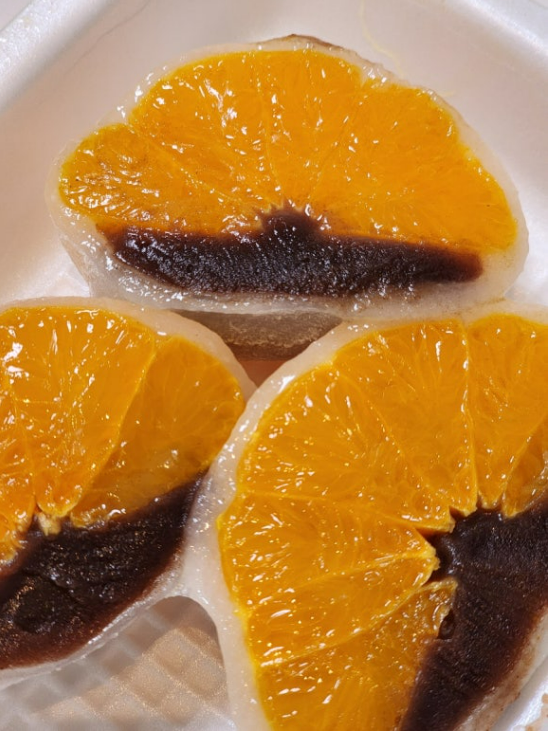
- Tangerine glutinous rice cake (gyulchamsal‑tteok):
Soft, chewy, citrus‑scented, and very different from rice cakes in big cities. Usually 2,000–4,000 KRW per piece or small pack. - Handmade yakgwa:
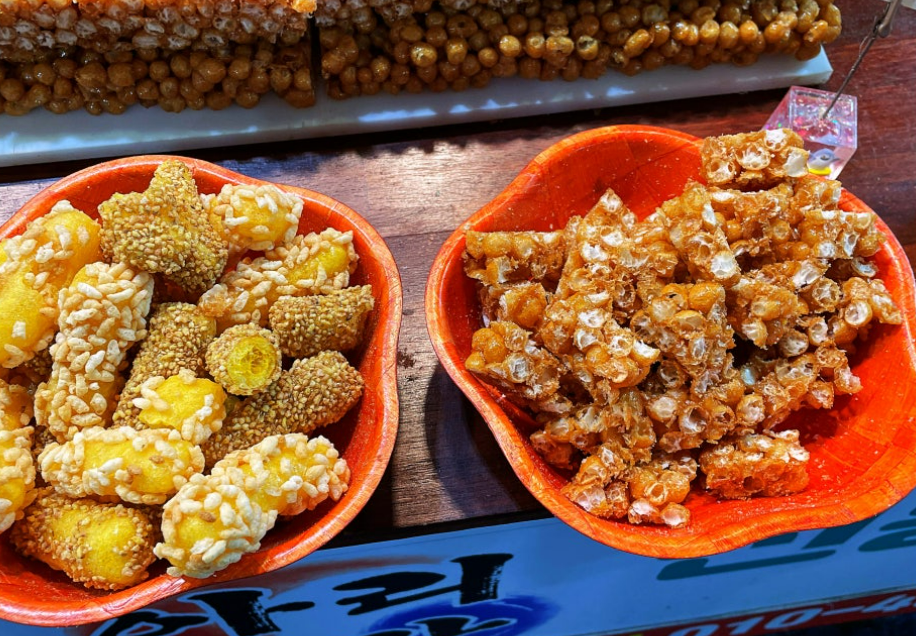
Small‑batch honey cookies that are softer and moister than mass‑produced ones. Often 3,000–6,000 KRW per pack. - Modakchigi:
Jeju word for “piled‑up” mixed plate—little pancakes, dumplings, tteok, sausages, and fish cakes all on one platter, about 10,000–18,000 KRW.
Photo & travel tip:
- Bite into the tangerine rice cake and shoot the cross‑section so the orange filling and white rice show clearly.
- For modakchigi, place the plate in the center of a small table and take an overhead shot; the many shapes and colors look like Jeju tapas.
- With 10,000–15,000 KRW per person, you can snack on 3–4 different items here, so it’s the perfect warm‑up stop before exploring or heading to dinner.

3. Seafood jjajangmyeon – harbor‑style black bean noodles
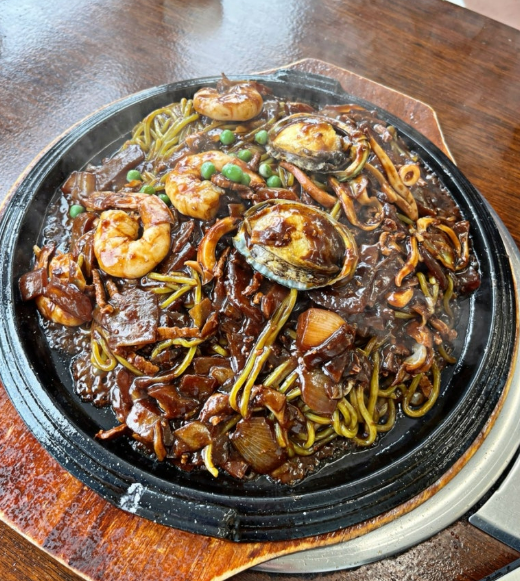
Near Seogwipo’s harbors, Korean‑Chinese restaurants serve a Jeju twist on jjajangmyeon: seafood‑loaded black bean noodles. Instead of only pork and onions, your bowl might include mussels, squid, shrimp, and sometimes even abalone in a deeper, ocean‑kissed sauce.
- Price: regular jjajangmyeon is usually 6,000–8,000 KRW; seafood versions are around 9,000–13,000 KRW.
- Why it’s worth it: you get the comfort of a familiar Korean classic but with real harbor‑town character.
Photo idea:
Take two photos:
- Before mixing – sauce on one side, yellow noodles and seafood on top look dramatic.
- After mixing – thick, glossy black noodles fill the bowl.
Put chopsticks in the frame, lifting some noodles, so readers can almost “feel” the texture.
4. Haemul ramyeon – “luxury instant noodles” with sea view
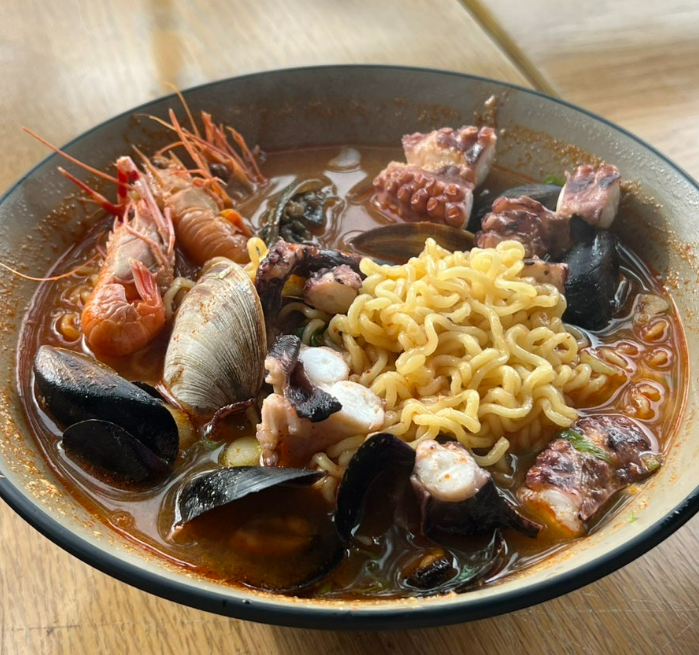
Haemul ramyeon is one of the easiest ways for a visitor to feel like a local diver for a moment: it looks like a simple ramen bowl, but you suddenly discover abalone, clams, mussels, or sea urchin in your soup.
- Where: small seaside shops and snack bars with signs like “해물라면 / 전복라면” around Seogwipo and the south coast.
- Price: usually 8,000–11,000 KRW; abalone or premium versions 11,000–15,000 KRW.
Travel & photo tip:
Choose a window seat if possible. Place your bowl close to the edge of the table and shoot from behind so the noodles are in the foreground and the sea is in the background. This one angle captures both the food and your Jeju location in a single frame, perfect for blog thumbnails or Reels.
5. Tangerine‑themed bakeries and cafés – Hallabong cakes, citrus drinks
After salty seafood and hot noodles, winter cafés in Seogwipo will pull you in with glass cases full of citrus desserts: Hallabong pound cake, tangerine cream‑cheese bread, citrus pies, and orange‑glazed scones.
- Price: most cakes and tarts cost 6,000–10,000 KRW per slice; citrus drinks like Hallabong ade or latte are around 6,000–8,000 KRW.
- Where: downtown Seogwipo, harbor front, and Jungmun resort cafés often highlight “Hallabong” or “Jeju orange” on seasonal menus.
Photo tip:
Put your dessert and drink near a bright window, add a real tangerine or peel on the plate, and shoot at a 45‑degree angle so both the food and a bit of the street or sea view appear. This composition screams “Jeju winter café day” and works perfectly as a lead image for your blog post.

6. Tamhaebok – your seasonal seafood “base camp”
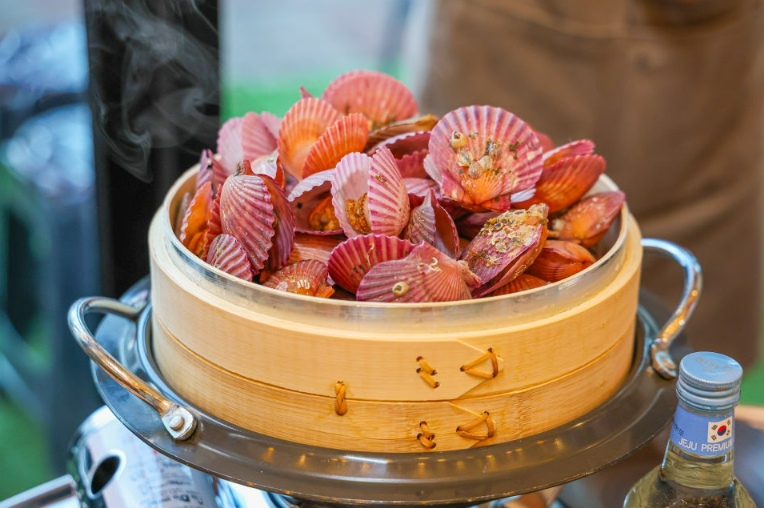
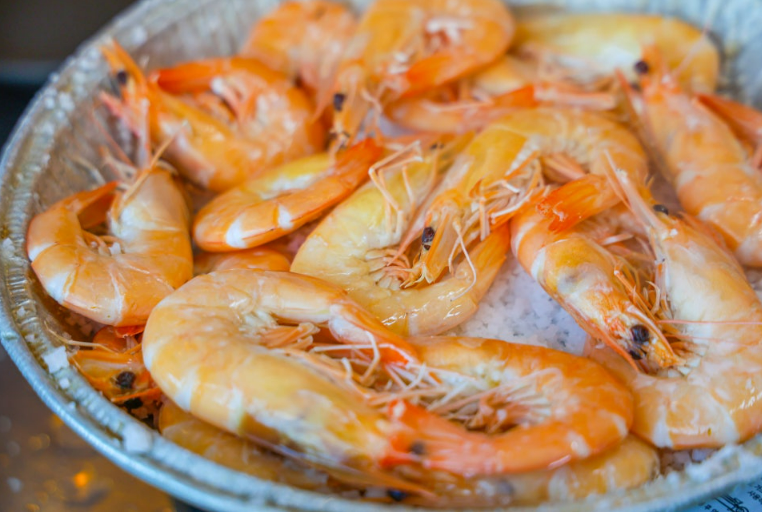
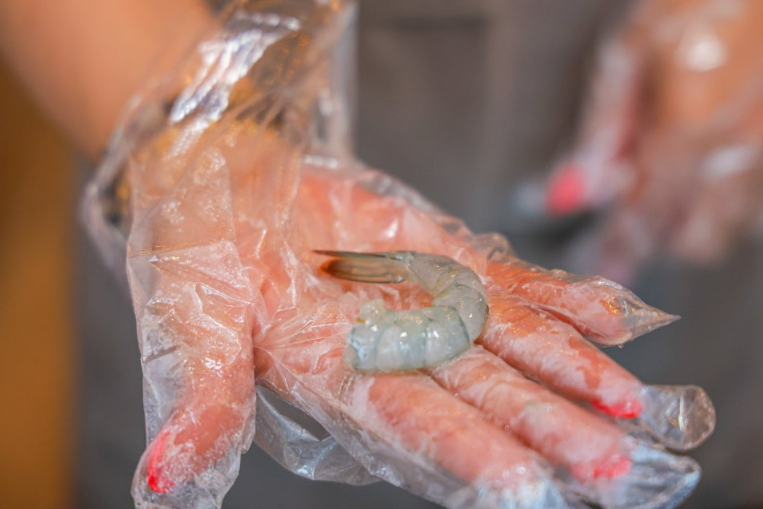
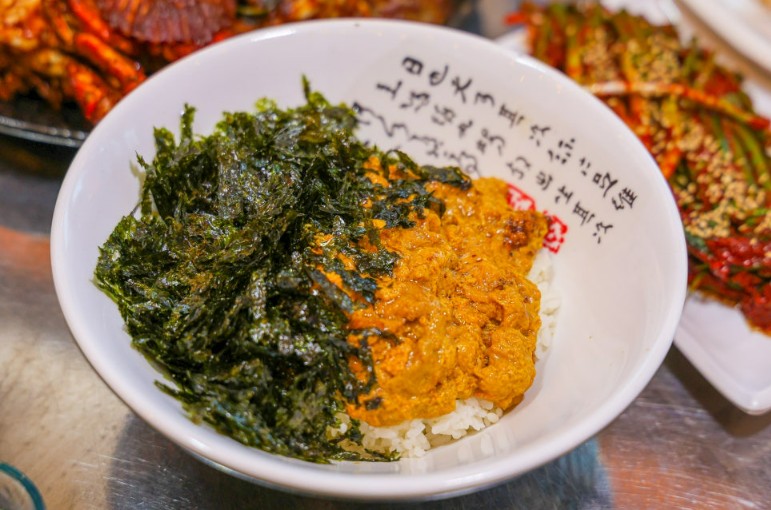
Tamhaebok in Seogwipo is an excellent “base camp” for winter seafood because it focuses on seasonal dishes locals actually crave in the cold months rather than generic tourist platters. In winter, you may find raw shrimp, steamed scallops, oysters, amberjack sashimi, and other seasonal catches that pair perfectly with soju or beer.
- Typical spend: individual seafood plates often range from 25,000–40,000 KRW depending on size and items. A table for two sharing 2–3 dishes plus drinks usually comes to around 50,000–80,000 KRW total.
Travel & photo tip:
- Order both raw and cooked seafood so everyone at the table can find something they love.
- For photos, get close to one platter with chopsticks or a hand reaching in, and leave the rest of the dishes softly blurred behind. This kind of shot feels natural, like a moment from a real dinner, not just a menu photo.
A great one‑day route could be:
- Afternoon – Seogwipo Olle Market (tangerine rice cakes, yakgwa, maybe a modakchigi plate).
- Sunset – harbor or coastal viewpoint.
- Dinner – Tamhaebok for seasonal seafood.
- Night – Jeju craft beer at a Yaksooteo‑style pub.
Budgeting your Seogwipo winter food day
Putting it all together, a full day of “deep” south‑Jeju food can look like this for one person:
- Market snacks (rice cake, yakgwa, small items): 10,000–15,000 KRW.
- One noodle or haemul ramyeon meal: 8,000–15,000 KRW.
- Seafood dinner at a place like Tamhaebok: about 25,000–40,000 KRW per person when sharing plates.
- Craft beer or café dessert stop: 12,000–20,000 KRW.
Total: roughly 60,000–90,000 KRW for a full day of eating and photo‑hunting that goes far beyond the usual black pork and standard sashimi routes.
For visitors who want both taste and content, south Jeju in winter offers exactly that: citrus‑scented sweets, harbor noodles, diver‑inspired ramyeon, seasonal seafood tables like Tamhaebok, and local beer under warm lights—all with easy angles for “life‑shot” photos that really show what Jeju feels like, not just what it looks like.


